

USP8 status plus tumor size may signal Cushing’s disease recurrence

Combining ubiquitin specific peptidase 8 genotype with tumor size could help predict the risk for recurrence in patients with Cushing’s disease who have undergone successful pituitary surgery, say researchers.
Hypercortisolism control pivotal to successful outcomes in patients with bilateral adrenal tumors
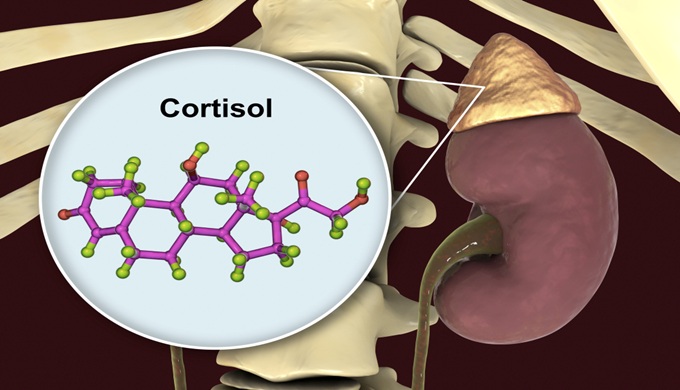
Regardless of treatment modality, effective control of hypercortisolism in patients with bilateral adrenal tumors is key to achieving favorable cardiovascular outcomes, suggests a data analysis of the ENSAT trial.
Study highlights diagnostic challenges in cyclic Cushing’s syndrome

People with cyclic Cushing’s syndrome have a high risk for spontaneous adrenal insufficiency, delayed diagnosis, and inappropriate surgeries, suggests an observational study in The Lancet Diabetes and Endocrinology.
Anal cancer screening warranted for older cervical cancer survivors

Older women with a history of cervical cancer may benefit from screening for anal cancer, research suggests.
Biochemical severity scores may predict post-surgery adrenal insufficiency in MACS

Measuring biochemical severity scores before adrenalectomy in people with mild autonomous cortisol secretion could help to identify those likely to develop adrenal insufficiency, suggest researchers.
Intensive blood pressure lowering strikes the right benefit–harm balance

Intensive blood pressure control provides a net benefit between cardiovascular disease and adverse events, including kidney-related events, suggests a study published in The Lancet.
Invasive breast cancer survivors experience small excess risk of future malignancy

Survivors of early invasive breast cancer have a slightly higher risk of developing a second primary breast cancer and other malignancies than women without a history of the disease, demonstrates research published in The BMJ.
Targeted cancer therapy link to thromboembolism quantified
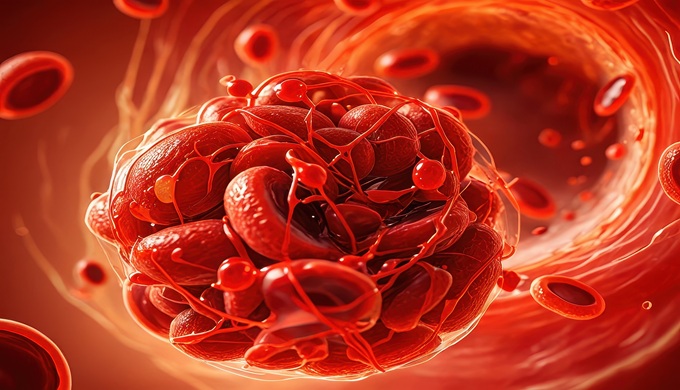
Use of targeted cancer therapies is associated with a clinically relevant increase in the risk of arterial and venous thromboembolic events, indicate findings from a population-based cohort study.
Invasive breast cancer risk quantified for DCIS patients without immediate surgery

Women who do not undergo surgery within 6 months of being diagnosed with ductal carcinoma in situ have an 11% risk of developing ipsilateral breast cancer over the following 8 years, indicates research published in The BMJ.
AI analysis aids pancreatic cancer prognostication

Artificial intelligence can expedite assessment of tumour-infiltrating lymphocytes and immune phenotype identification in resected pancreatic ductal adenocarcinoma, research demonstrates.